How Preschool Education Supports Early Cognitive, Social, and Emotional Development
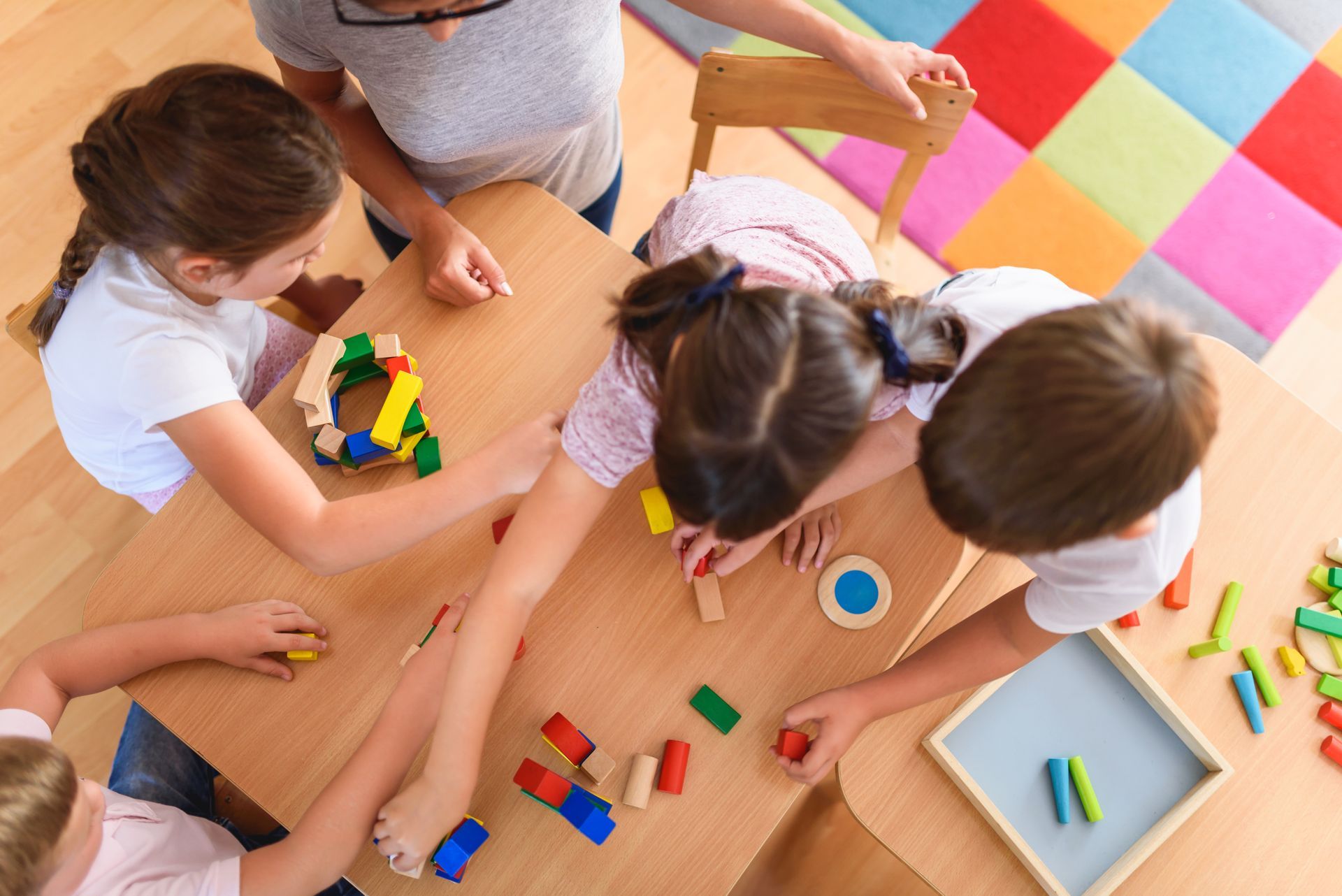
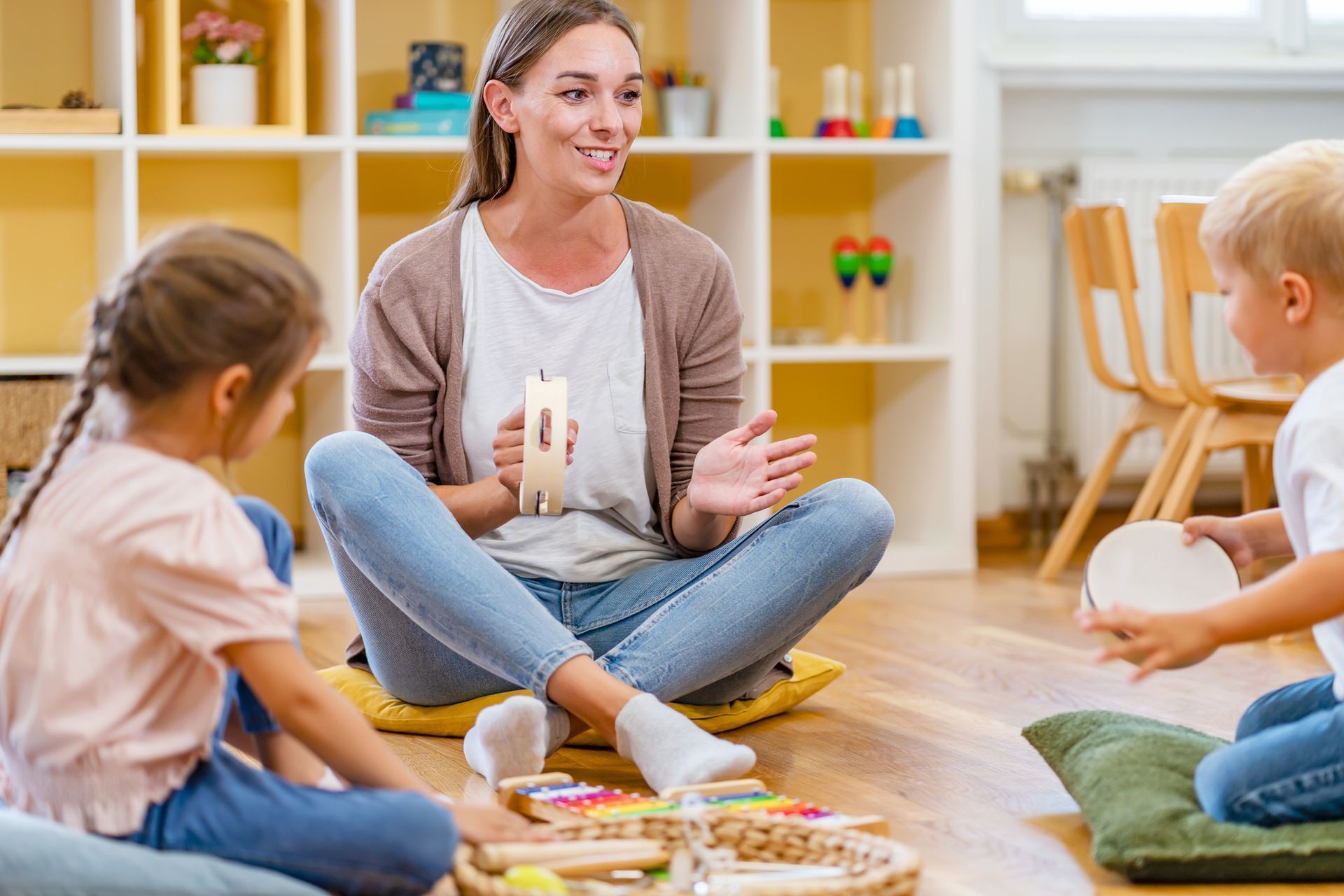
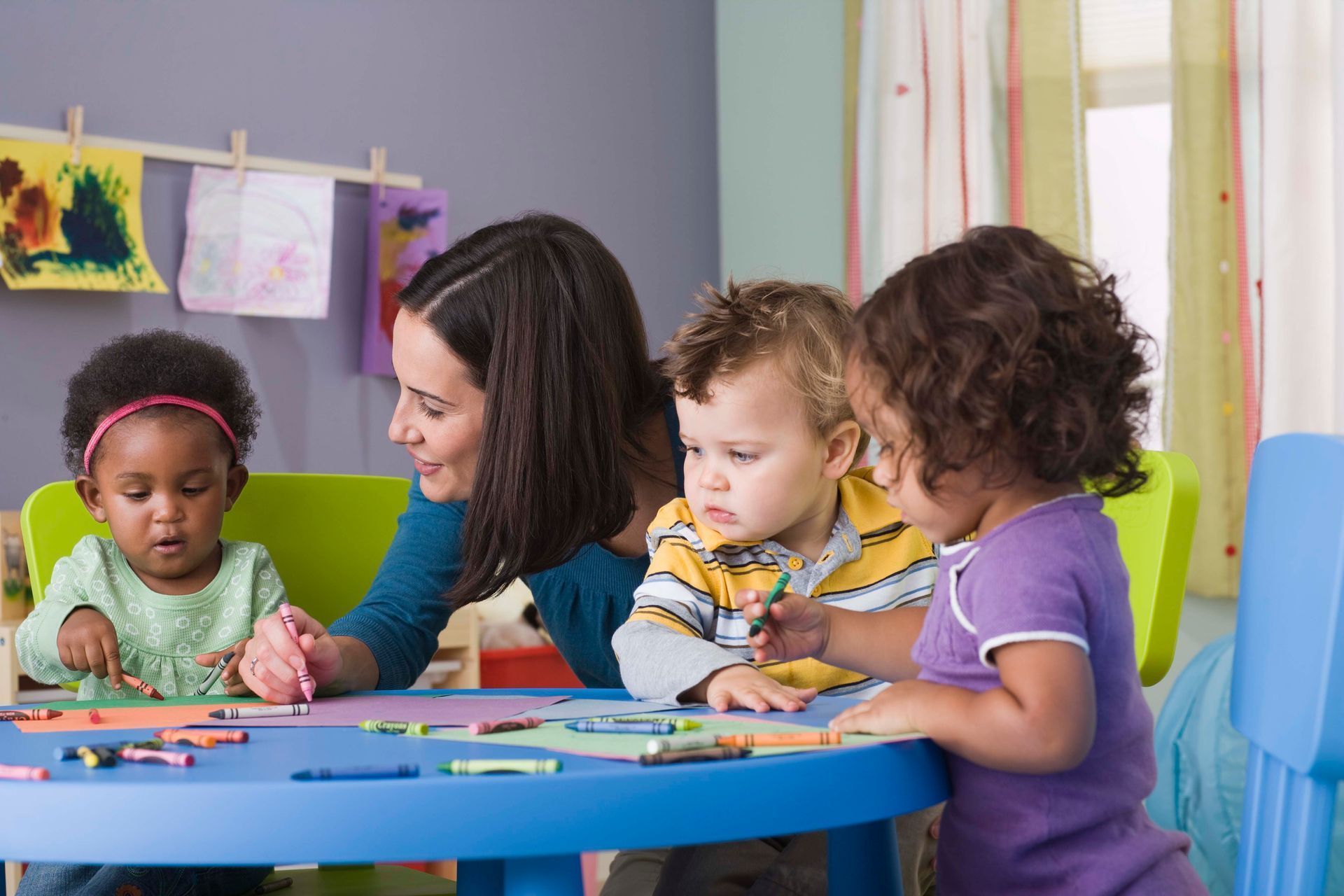
Early childhood is a critical time for brain development, and preschool education plays a vital role in shaping how children think, relate to others, and regulate their emotions. In quality pre-kindergarten programs, children engage in activities designed to stimulate their curiosity and problem-solving abilities. These environments encourage exploration and discovery, helping children build memory, attention span, and basic reasoning skills.
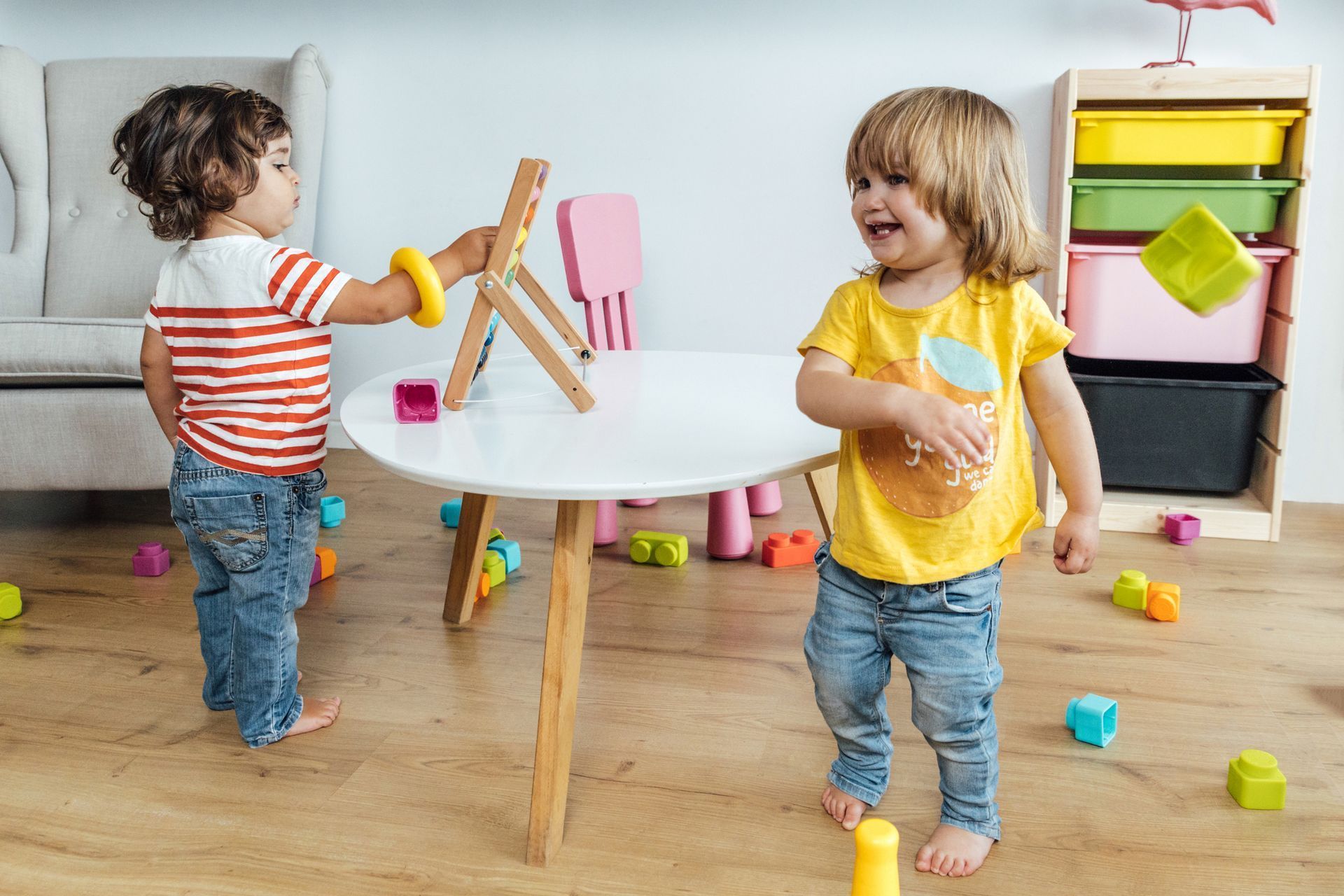
Beyond cognitive growth, children learn to interact with peers and adults, which enhances their social skills. Sharing, taking turns, and collaborating are daily
routines
that foster empathy and communication. Meanwhile, emotionally supportive settings allow children to express feelings in a healthy way and develop resilience. This balanced growth prepares children not just academically but also socially and emotionally for the challenges of kindergarten and beyond.
Key Skills Children Learn in a Pre-Kindergarten Program
One of the primary benefits of enrolling in a
pre-kindergarten program
is the comprehensive skill set children acquire during this formative period.
These foundational skills include:
- Early Literacy:
Through storytelling, letter recognition, and phonemic awareness activities, children develop the building blocks of reading and writing.
- Numeracy:
Simple counting exercises, shape recognition, and basic problem-solving introduce children to the world of numbers and logic.
- Communication:
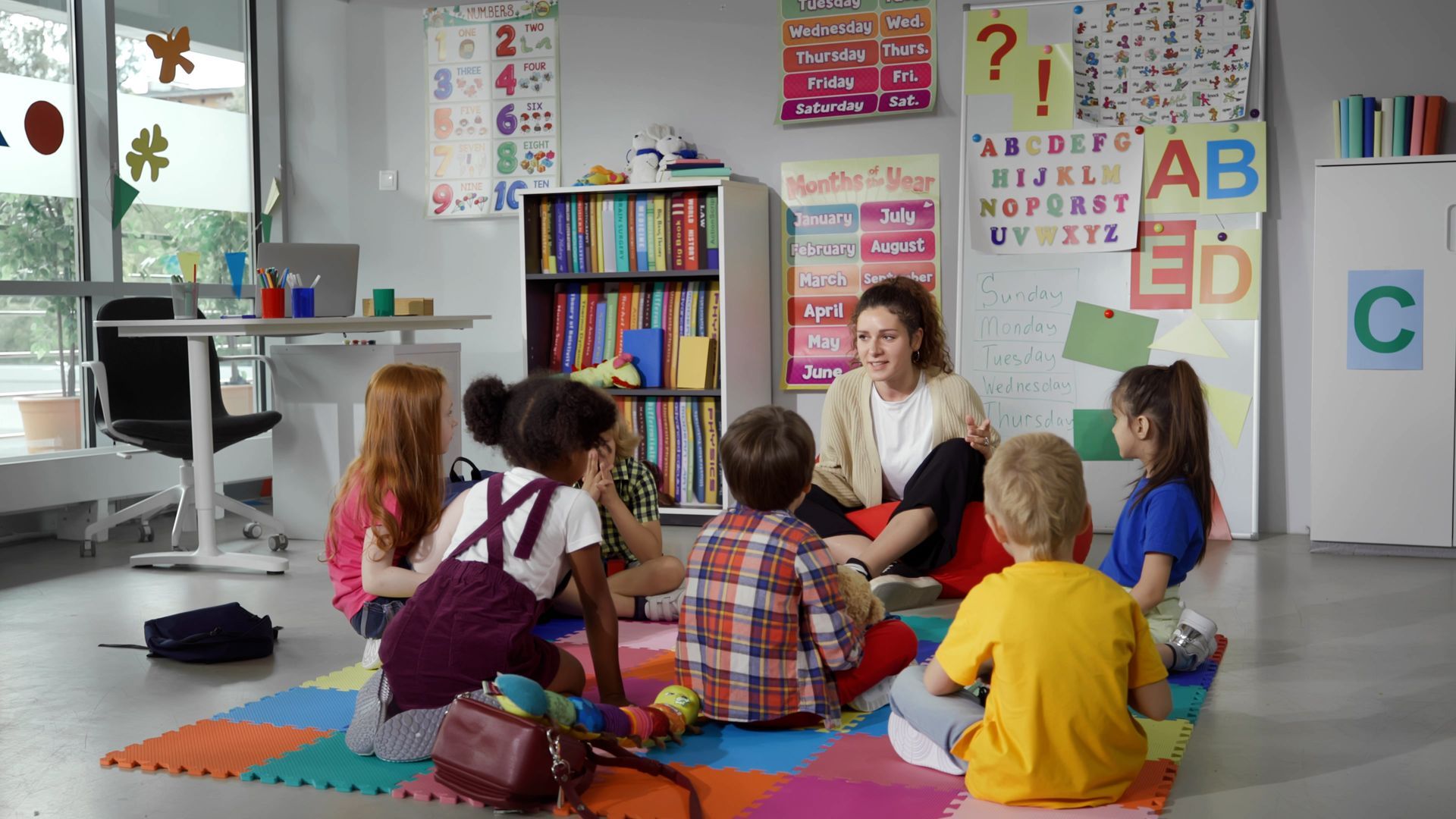
Group discussions, show-and-tell sessions, and guided conversations foster vocabulary development and listening skills.
- Independence:
Children learn to manage personal tasks like cleanup, dressing themselves, and following classroom routines, which builds self-confidence and responsibility.
These skills are seamlessly integrated into daily classroom activities, using play-based and hands-on learning methods that keep children engaged and motivated.
The Benefits of Structured Learning Environments for Young Children
Structured learning environments play a crucial role in supporting young children’s growth by providing consistency and clear expectations. Such settings create a balanced daily routine that promotes both cognitive and physical well-being.
Key benefits include the following:
- Consistent Schedules:
Pre-kindergarten programs typically blend focused instruction, free play, and rest periods. This balance helps children stay engaged and energized throughout the day.
- Clear Expectations:
Having predictable routines helps children understand what is expected of them, reducing anxiety and fostering a sense of security.
- Skill Development:
Children learn important habits such as following directions, respecting classroom rules, and completing tasks, which build a foundation for success in kindergarten and beyond.
- Smooth Transitions:
Educators guide children seamlessly between activities, using repeated routines that support comfort and adaptability.
- Respecting Individual Pace:
While maintaining structure, these environments also allow children to progress at their own development speed, encouraging active participation without pressure.
Overall, structured learning spaces provide a nurturing framework where children feel safe and motivated to explore, learn, and grow.
How Early Education Builds Confidence and Prepares Children for Kindergarten Expectations
Starting kindergarten can be an overwhelming experience, but children coming from a solid pre-kindergarten background tend to feel more prepared and confident. Early education in a structured pre-K program helps children understand what to expect from a school day, the importance of cooperation, and how to ask for help when needed.
Confidence grows as children accomplish new tasks, master social interactions, and receive positive reinforcement from educators. This foundation makes the kindergarten transition smoother, enabling children to focus more on new content rather than adjusting to the school environment itself. Parents often observe that kids who attend quality preschools adapt faster and enjoy a more positive attitude toward learning.
Why Parents Choose Quality Preschool Programs for Their Children
Parents prioritize quality preschool education because they recognize how critical early learning is to lifelong success. A trusted pre-kindergarten program offers a safe, nurturing, and stimulating place where children can thrive.
Many families look for programs that emphasize individualized attention, experienced educators, and a curriculum aligned with early childhood development standards. They also value facilities that maintain high safety and cleanliness standards, ensuring peace of mind. By choosing a reputable preschool in Lisle, IL, parents invest in their child’s early educational journey, setting a foundation that supports academic achievement and social-emotional growth.